Classic Style Overview Peptides
Below we will cover one of the most commonly used research peptides and what you need to understand about saving each one after reconstitution. A lot of peptide solutions are unsmelling or have a very pale scent from the benzyl alcohol in bacteriostatic water. A strong, unusual, or foul smell recommends bacterial contamination. You take the vial out to attract a dose, get distracted, and the vial sits on the counter for half an hour. Create the practice of returning the vial promptly after usage. The technique of fast go back to cold store is one of the most basic and most effective potency-preserving habits you can establish.
That condensation allows hydrolysis and various other destruction reactions, possibly wrecking a peptide that would certainly have stayed steady for many years with appropriate handling. Shop peptides in non-cycling freezers or in the chilliest, most secure location within frost-free units. The back corner of the freezer area usually experiences the least temperature level variation. Frost-free fridges freezer preserve their ice-free problem by biking temperature level over and below cold. While hassle-free for food storage space, this cycling subjects peptides to repeated thermal stress and anxiety. Wolverine stack blends incorporating numerous healing peptides comply with the security account of their most sensitive part.
Oxidation-sensitive Residues
At your destination, transfer to a refrigerator asap. Get in Laboratory Supplier touch with your compounding drug store prior to your trip for facility-specific travel guidance particular to your prescription. Reconstituted retatrutide needs to be refrigerated at 36-46 ° F( 2-8 ° C) quickly after blending and kept there throughout its usage duration. Lyophilized (unmixed) powder should also be cooled for short-term storage space within a 3-6 month home window, or kept frozen at -20 ° C or below for longer periods.
- At some point, lyophilized peptides should be reconstituted for use.Collagen is an essential healthy protein that offers structural integrity to connective tissues like ligaments, tendons, and muscular tissues.That's why the security window drops from months to weeks the moment reconstitution happens.When piling development hormone releasing peptides, label each vial distinctively.Among the principals are semaglutide and liraglutide.
Some protocols call for 24-hour optimum at area temperature level. Preferably, you get rid of the vial from the refrigerator, withdraw your dosage, and return it within mins. Deal with every moment at area temperature level as degradation time, because that is exactly what it is. Every reconstituted peptide that you intend to use within the next 28 to thirty day ought to live in a fridge at 2 to 8 degrees Celsius. This temperature range slows down destruction considerably contrasted to area temperature while maintaining the option in liquid kind for easy withdrawal. They rest on shelves for months, also years, with marginal destruction.
What Takes Place If My Chilled Peptides Accidentally Ice Up?
Instead of one vial pierced 30 times, you might have 6 vials punctured five times each, with five of those vials continuing to be secured in the fridge or freezer until required. Understanding your details peptide amino acid structure assists you predict its storage space actions. A short, easy peptide like KPV (simply three amino acids) has a tendency to be a lot more steady than a much longer, intricate peptide with multiple sensitive deposits. This is why covering storage space guidelines are useful as starting points yet should not replace peptide-specific knowledge.
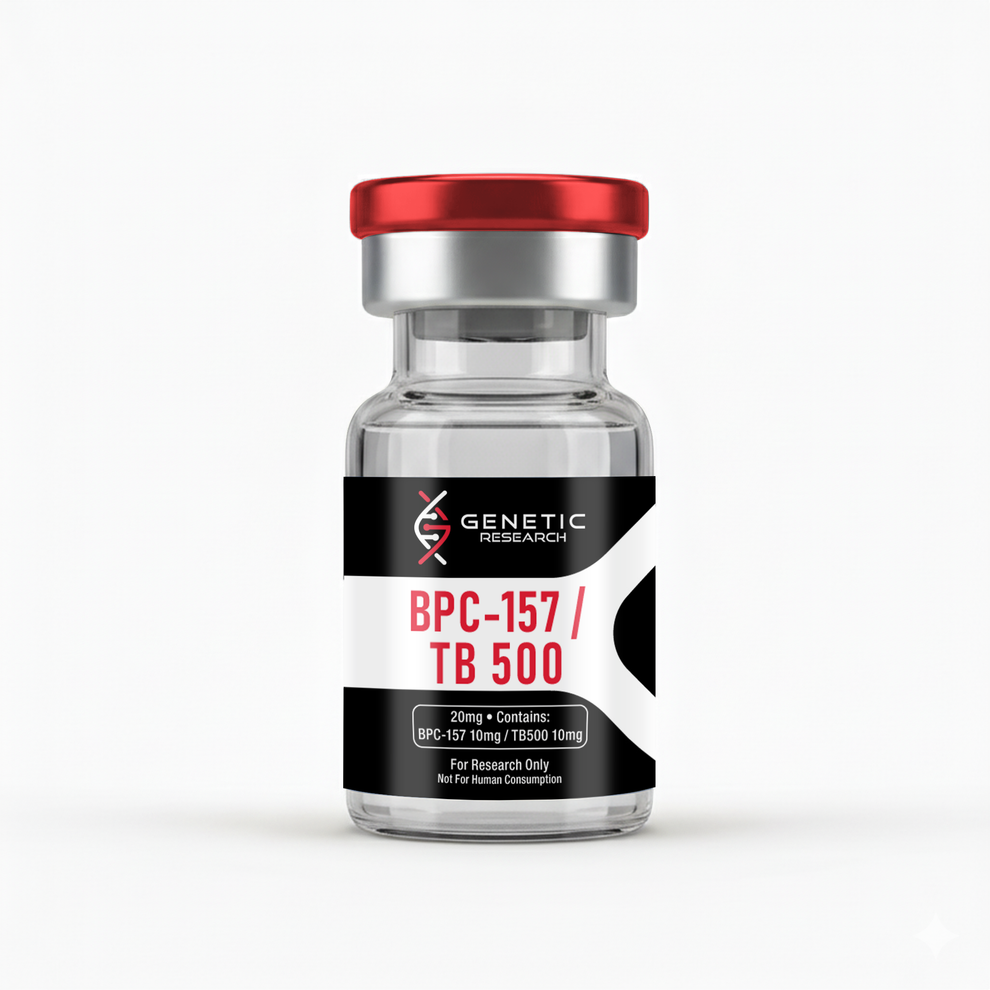
A 5mg vial reconstituted with 1ml bacteriostatic water gives 5mg/ml; 2ml provides 2.5 mg/ml. TB-500 reconstitutes easily in bacteriostatic water. It may need slightly longer to liquify than BPC-157-- enable as much as 10 minutes with mild swirling. The lyophilised cake can appear a lot more small for TB-500 than for smaller sized peptides; perseverance during dissolution avoids over-manipulation. Store at 2-- 8 ° C post-reconstitution, use within 28 days. Lyophilized peptides endure cold without damage. Reconstituted peptides might suffer structural damages from ice crystal development. If reconstituted peptides ice up, inspectThis is particularly important for peptides accessed several times. Even correctly lyophilized peptides can soak up atmospheric dampness when the vial is opened up, especially in humid environments. The soaked up water after that makes it possible for the hydrolysis and various other destruction reactions that lyophilization was suggested to stop. Bacteriostatic water is sterilized water having 0.9% benzyl alcohol chemical. The benzyl alcohol prevents microbial growth, expanding reconstituted peptide remedy stability to ~ 28 days at 2-- 8 ° C . It is the recommended diluent over plain clean and sterile water (no preservative, 24-hour home window) or saline.
Bacteriostatic Water
Location the vial in the fridge for 15 minutes, then swirl once again. If product still continues to be after 30 minutes, examine that you are making use of sufficient diluent volume-- inadequate water Peptide Blends can avoid full dissolution. If cloudiness lingers after proper strategy, contact your vendor as this may indicate a set high quality problem. SeekPeptides is the easiest method to locate the right peptides for your objectives. Science-backed prepare for faster recovery, muscle growth, anti-aging, weight loss, and a lot more.
Maximizing these conditions makes best use of the storage duration your peptides attain. Cagrilintide dosing schedules need to account for the stability profile of all peptides in the method. By following the recommended guidelines on storage space, temperature level, and atmosphere, you can with confidence handle and maintain the stability of your peptides. When refrigerated at under 4 ° C, their service life extends to 1-2 years. Do you still have inquiries regarding peptide storage space and handling? No worry-- let's answer several of the most usual ones below. Specialist pharmaceutical formulas typically include excipients that enhance peptide security. Sugars like mannitol, trehalose, and sucrose can stabilize peptide structure in service. Amino acid excipients like histidine and methionine can function as antioxidant barriers, sacrificing themselves to oxidation prior to the active peptide is impacted. Surfactants like polysorbate 80 can decrease surface area adsorption to container wall surfaces and protect against aggregation at air-liquid user interfaces. Peptides used in brain and nerve system research, consisting of semax, selank, DSIP, and cerebrolysin, have differing security profiles. DSIP consists of a tryptophan deposit that makes it much more light-sensitive, so added interest to UV security is necessitated. 